Top Cybersecurity Companies Leading the Charge

Trellix, born from the McAfee Enterprise and FireEye merger, now offers an Extended Detection and Response (XDR) platform for unified threat visibility across diverse IT environments.

OH
Omar Haddad

April 24, 2026 · 4 min read

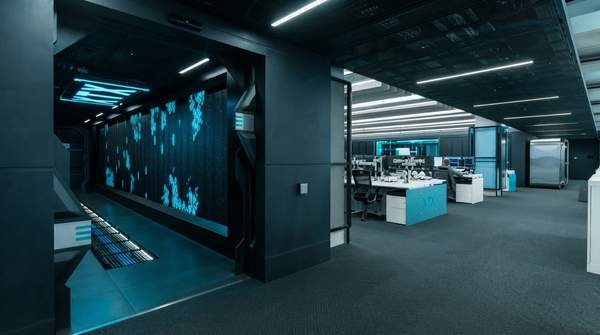
Futuristic cityscape with glowing data streams and holographic security interface, symbolizing advanced cybersecurity.

Trellix, born from the McAfee Enterprise and FireEye merger, now offers an Extended Detection and Response (XDR) platform for unified threat visibility across diverse IT environments. marking a major shift in how top-tier security is delivered.

The cybersecurity threat landscape grows increasingly complex, yet leading solutions consolidate into fewer, integrated platforms. creating a tension: the need for specialized protection versus streamlined management.

Organizations that fail to adopt comprehensive, AI-driven security frameworks will likely face escalating vulnerabilities and operational inefficiencies, potentially stifling specialized innovation. Callboxinc identifies top cybersecurity companies based on measurable performance, innovation, and trust, setting the benchmark for these integrated solutions.

Leading the Charge: Key Players and Their Platforms

1. CrowdStrike

Best for: Enterprises prioritizing advanced endpoint protection and threat intelligence.

CrowdStrike's Falcon platform combines threat intelligence with behavioral analytics for robust endpoint protection, according to Callboxinc. Its cloud-native architecture offers real-time visibility and proactive threat hunting. allowing precise detection and response to sophisticated endpoint attacks, though its resource intensity can challenge smaller IT teams.

Price: Subscription-based, varies by modules and scale.

2. Fortinet

Best for: Organizations seeking comprehensive, end-to-end security fabric solutions.

Fortinet provides end-to-end cybersecurity through its FortiGate firewalls and integrated Security Fabric platform, Callboxinc reports. unifying network, cloud, and application security into a single management system. While promising seamless protection and simplified operations, its full utilization demands a steep learning curve and risks vendor lock-in.

Price: Varies significantly by product and service bundles.

3. Palo Alto Networks

Best for: Large enterprises requiring an AI-driven, multi-domain security platform.

Palo Alto Networks leverages an AI-driven platform to protect networks, clouds, and endpoints, according to Callboxinc. automating threat detection and response across an organization's entire digital footprint. Its premium cost and complex deployment reflect the industry's push towards intelligent, comprehensive platforms, which can be overwhelming for some teams.

Price: Premium pricing model, based on licenses and services.

4. Trellix

Best for: Enterprises needing cross-environment threat visibility and XDR capabilities.

Trellix, formed from the McAfee Enterprise and FireEye merger, offers an XDR platform for cross-environment threat visibility, Callboxinc states. directly responding to market demand for integrated solutions that correlate security data across multiple vectors. The platform aims for unified detection and response, underscoring how even legacy leaders must integrate to remain competitive, despite potential post-merger integration challenges.

Price: Enterprise-focused, customized pricing.

Differentiated Defenses: A Closer Look at Core Strengths

CompanyPrimary Security FocusKey Enabling TechnologyIntegration ApproachPotential Trade-off for Enterprise
CrowdStrikeEndpoint Protection & Threat IntelligenceBehavioral Analytics, AI, Cloud-NativeDeep endpoint visibility within a broader platformResource intensity, specialized focus may require other tools for network/cloud gaps
FortinetNetwork Security & Broad FabricFortiGate Firewalls, Security Fabric, AIEnd-to-end, unified platform across diverse environmentsSteep learning curve for full fabric utilization, vendor lock-in for comprehensive coverage
Palo Alto NetworksAI-Driven Network, Cloud & Endpoint SecurityAI/ML, Zero Trust principlesIntegrated platform across multiple security domainsHigh cost, complex deployment, potentially overwhelming feature set for some teams
TrellixExtended Detection & Response (XDR)Threat Intelligence, AI, Data CorrelationConsolidated platform from merged legacy productsIntegration challenges post-merger, evolving platform maturity, reliance on legacy product compatibility

The Future of Security: End-to-End Integration

The pervasive adoption of AI-driven security platforms by leaders like Palo Alto Networks and CrowdStrike confirms AI as an essential enabling technology for consolidated platforms. allowing effective management, correlation, and 'unified visibility' across increasingly complex threat landscapes. Aggressive consolidation and platform integration, exemplified by Trellix's formation, are now prerequisites for market leadership, suggesting a future where security is delivered through a few monolithic ecosystems. Enterprises will likely face a strategic choice: embrace these integrated platforms for streamlined defense or risk escalating vulnerabilities and operational inefficiencies if they cling to fragmented, niche solutions.

Frequently Asked Questions About Cybersecurity Leaders

How do mergers and acquisitions impact the cybersecurity market?

M&A, like Trellix's formation, are critical for established players to build comprehensive, integrated platforms. consolidating specialized capabilities, offering 'unified visibility,' and shifting market power towards larger entities by reducing independent niche providers.

What role does AI play in modern cybersecurity platforms?

AI is an essential enabling technology within consolidated platforms, not just a feature. It manages, correlates, and provides 'unified visibility' across diverse threats, automating detection and response. powering real-time threat intelligence and behavioral anomaly detection for platforms like Palo Alto Networks and CrowdStrike.

What are the key considerations when choosing a cybersecurity company in 2026?

Enterprises must weigh platform integration breadth against their need for specialized depth. Evaluate if an 'end-to-end' security fabric sufficiently protects unique attack vectors, or if it prioritizes simplified management over granular control. Understanding potential vendor lock-in and platform adaptability to future threats is crucial, particularly as integrated offerings continue to expand.