Horizon Quantum acquires IonQ system; AQT software integration

Fresh off a $120 million SPAC merger, Horizon Quantum will acquire one of IonQ's first 256-qubit trapped-ion systems, rapidly escalating its bet on full-stack quantum computing.

SL
Sophie Laurent

April 15, 2026 · 2 min read

Futuristic cityscape with quantum circuit diagrams, representing Horizon Quantum's acquisition of an IonQ system and integration with AQT software.

Fresh off a $120 million SPAC merger, Horizon Quantum will acquire one of IonQ's first 256-qubit trapped-ion systems, rapidly escalating its bet on full-stack quantum computing. The company is also integrating its software stack with Alpine Quantum Technologies (AQT) to advance trapped-ion quantum hardware applications by 2026. Horizon Quantum is making substantial investments in advanced quantum hardware and software integration. However, the commercial viability and widespread adoption of these complex systems remain nascent. Horizon Quantum is positioning itself to be an early leader in full-stack quantum solutions, potentially accelerating the timeline for practical quantum applications, but faces significant challenges in demonstrating scalable, real-world value.

Horizon Quantum Secures IonQ's Advanced Trapped-Ion System

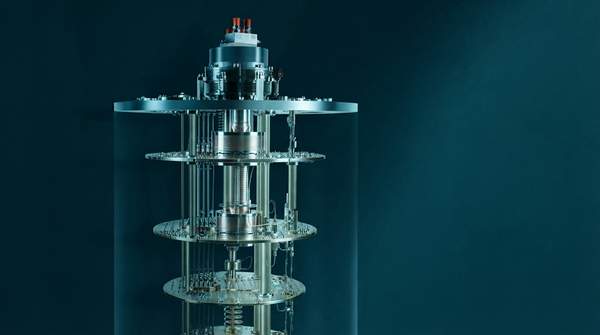
Horizon Quantum Holdings Ltd. will acquire one of IonQ’s first sixth-generation, chip-based 256-qubit trapped-ion systems, according to Bernama and thequantuminsider. This immediate post-SPAC acquisition positions Horizon Quantum to buy market share and accelerate hardware integration, bypassing in-house development. This strategy carries high risk and potential high reward in a nascent industry.

Software Integration with AQT to Build a Full Stack

Horizon Quantum and Alpine Quantum Technologies (AQT) have integrated a software stack with trapped-ion quantum hardware, according to HPCwire and Investing.com India. Horizon Quantum is actively integrating its Triple Alpha software with multiple trapped-ion partners, including AQT and IonQ. This strategy attempts to position Triple Alpha as the operating system for the trapped-ion ecosystem, a move that could either unify the field or create a proprietary bottleneck.

Strategic Expansion and Financial Backing

Horizon Quantum completed a SPAC merger with dMY Squared Technology Group, securing about $120 million, according to thequantuminsider. This capital is immediately deployed to secure bleeding-edge hardware. Horizon Quantum appears to believe the quantum race will be won by those who can rapidly deploy and integrate the most advanced, albeit experimental, systems.

Horizon Quantum plans to expand its quantum hardware testbed by incorporating a second, technologically distinct modality, specifically a trapped-ion system, according to Bernama and thequantuminsider. Horizon Quantum's diversification is currently limited to variations within trapped-ion technology, not across fundamentally different quantum computing modalities.

Future Capabilities and Software Enhancements

Horizon Quantum intends to expand Triple Alpha software support for trapped-ion systems and enhance real-time runtime capabilities, according to thequantuminsider. The expansion of Triple Alpha software support for trapped-ion systems and enhanced real-time runtime capabilities aim to optimize for complex quantum algorithms requiring high qubit interaction and efficient execution.

The acquired IonQ system will support “all-to-all connectivity” and parallel operations, as reported by Bernama. The acquired IonQ system's support for “all-to-all connectivity” and parallel operations, combined with software enhancements, suggests Horizon Quantum is prioritizing early access and diverse trapped-ion expertise for complex quantum computations and broader application development.

If Horizon Quantum successfully integrates its software with these advanced, yet experimental, trapped-ion systems and demonstrates scalable applications, it could significantly accelerate the timeline for practical quantum computing.