Between everyday responsibilities, personal ambitions, and the routines that keep life moving, it can be difficult to give everything the attention it deserves. A missed deadline, an overlooked priority, or a habit that gradually falls out of practice can make even an ordinary week feel overwhelming.
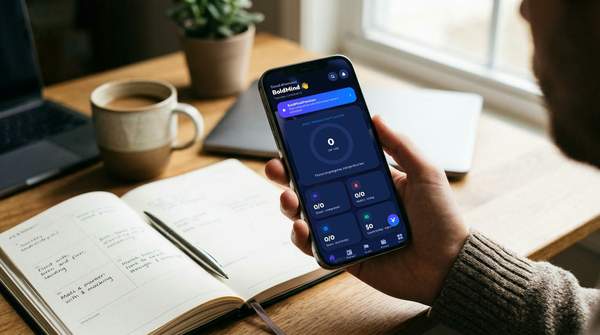
Having a clear way to organise these different responsibilities can make daily life easier to navigate. BoldMind Planner brings goals, tasks, habits, schedules, and finances together in one digital space, offering tools for people who want a more considered approach to managing their time and priorities.
Why Organising Everyday Priorities Matters
Personal organisation is closely connected to how people use their time, direct their attention, and make progress towards what matters to them. Without a clear picture of upcoming responsibilities, smaller tasks can easily take precedence over more meaningful goals.
Long-term ambitions may remain on the to-do list without developing into practical actions, while everyday routines can become inconsistent when they are difficult to track.
Organising priorities helps create a better sense of direction. A weekly plan, for example, offers an opportunity to look beyond immediate responsibilities and consider what needs attention over the coming days.
Daily task lists then help translate those priorities into manageable actions. Having reminders and deadlines in one place can also make it easier to keep track of commitments without relying entirely on memory.
Goals benefit from the same level of structure. A broad ambition can feel difficult to approach when there is no clear starting point. Breaking it into smaller milestones provides a more practical way to work towards it.
Rather than concentrating solely on the final outcome, individuals can recognise the smaller steps that contribute to progress.
This is where a consistent planning system becomes useful. It provides a place to record responsibilities, review priorities, and make adjustments as circumstances change.
Bringing Goals, Tasks, and Habits Into a Clearer Routine
Goals, tasks, and habits serve different purposes, but they are closely connected. Goals provide direction, tasks represent the actions needed to move forward, and habits help establish the routines that support consistent effort.
For example, someone working towards a personal goal may need to identify several tasks that contribute to it. Those tasks can then be arranged across a daily or weekly schedule. Repeating certain activities can gradually turn them into habits, making it easier to maintain a routine without having to reconsider every action.
BoldMind Planner brings these elements together through its daily and weekly planning, tasks and reminders, habit tracking, and goals and milestones features. Users can map out their immediate priorities, set deadlines, monitor routines, and divide larger ambitions into smaller steps.
The habit tracker also provides a way to record daily consistency and recognise patterns over time. This can be helpful when reviewing which routines are becoming established and which may need more attention. The goals and milestones tools complement this process by keeping longer-term objectives visible alongside everyday responsibilities.
Having these features within one planning environment creates a more connected view of personal organisation. Users can consider how their daily activities relate to their wider priorities instead of treating every task as an isolated responsibility.
How BoldMind AI Helps Structure a Busy Day
Planning becomes more complicated when several responsibilities compete for attention. A long task list may show everything that needs to be done, but deciding what to tackle first can be another challenge. This is where AI-assisted planning can offer additional guidance.
BoldMind AI Premium is designed as a personal planning assistant that suggests ways to organise tasks and habits into a more manageable schedule. It can recommend prioritising an overdue task, allocate time for focused work, and include short breaks and dedicated periods for habits.
For instance, a crowded afternoon schedule may benefit from a clearer sequence of activities. BoldMind AI can propose tackling an overdue responsibility first, followed by a short break and time for a planned habit. It can also suggest leaving an open period for additional tasks or focused work.
Importantly, these recommendations remain subject to user approval. Users can review proposed schedule changes, apply individual suggestions, or choose to accept the suggested plan as a whole. Nothing is saved automatically without their approval.
This arrangement allows AI to assist with the organisational process while leaving decisions in the user's hands. It can provide a useful starting point when priorities feel difficult to arrange, particularly on days when several tasks require attention.
Keeping Personal Goals and Financial Priorities in View
Personal organisation also extends beyond schedules and productivity. Financial responsibilities are another part of everyday life that benefit from regular attention. Income, spending, and other financial commitments can influence the decisions people make about their priorities and plans.
BoldMind Planner includes a budget and expenses feature that allows users to keep track of income and spending alongside their other planning activities. Having financial information within the same environment as tasks, goals, and habits provides another perspective on everyday responsibilities.
Its overview dashboard brings together several areas of personal progress. Users can review their daily productivity score, completed goals, daily habits, tasks, and spending. This gives them a broader snapshot of their activities rather than limiting their attention to a single checklist.
The app also includes printable PDF exports, allowing users to save, print, or share their planning records. This provides another way to retain information about goals, habits, and everyday organisation beyond the digital interface.
Making Room for Progress Through Consistent Planning
A useful planning routine does not have to account for every minute of the day. Its purpose is to provide enough structure to help people understand their priorities while leaving room for unexpected responsibilities and changes in plans.
One practical approach is to begin each week by identifying important commitments and deciding which goals deserve attention. Daily planning can then focus on a smaller set of tasks that fit within the available time. Habit tracking offers an opportunity to review recurring activities, while regular progress checks help identify what may need adjusting.
BoldMind Planner brings these activities together through its planning, tracking, and review tools. Users can organise their schedules, work through tasks, monitor habits, and revisit their goals as the week progresses.
The ability to adjust plans also recognises that routines are not always fixed. Priorities can change, and a planning system should leave room for those changes.
The aim is to develop an approach to organisation that feels manageable and relevant to everyday life. Small, consistent actions can provide a clearer sense of direction without requiring an overly complicated routine.
Final Thoughts
Organising personal goals, tasks, habits, and finances can provide a clearer understanding of where time and attention are going. Each area plays a different role in everyday life, but they often influence one another. Having a way to review them together can make it easier to recognise priorities, plan practical next steps, and reflect on progress.
BoldMind Planner brings these areas into one digital environment, combining daily and weekly planning, task management, habit tracking, goal setting, and budget tools. Its BoldMind AI assistant adds optional planning suggestions, while its dashboard and printable PDF exports provide additional ways to review and retain personal records.
For those exploring ways to bring more structure to their everyday routines, get BoldMind Planner on Google Play and start enjoying its planning features.