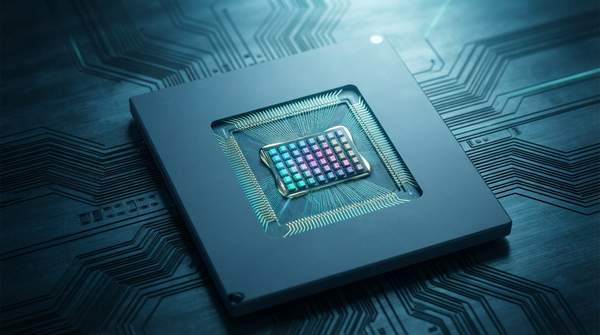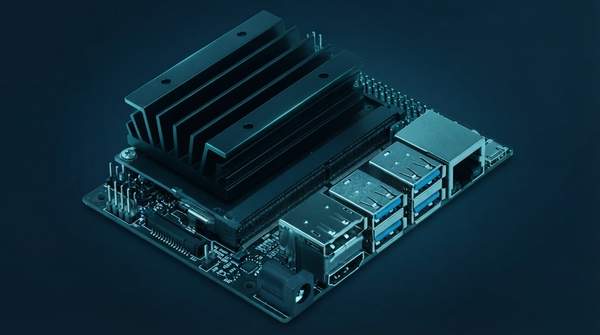
For most IoT projects, the choice between Edge AI, Cloud AI, and a Hybrid approach comes down to five questions: how fast does your application need to respond, how reliable is its network connection, how sensitive is its data, how much does it need to scale, and whether you prefer upfront hardware spending or ongoing usage costs. None of the three architectures is universally better. Edge AI delivers deterministic 10–100 millisecond responses independent of network conditions; Cloud AI offers centralized, rapidly scalable processing but variable 50–500+ millisecond latency; and Hybrid AI splits the workload so inference happens locally while training and aggregation happen centrally. The right answer depends entirely on your application's requirements.
Introduction: Navigating AI Architectures for IoT
The core distinction between the two architectures is where data gets processed. Edge AI systems analyze data close to its source — on devices or on-site servers — while cloud AI systems send data to remote data centers for processing, as explained in coverage from Coursera's editorial team and infrastructure vendor Scale Computing. That single architectural difference cascades into everything else: latency, bandwidth consumption, privacy posture, and cost structure.
As the automation industry association A3's glossary puts it, edge latency is deterministic and independent of network conditions, which makes edge "essential for real-time control and cloud suitable for non-time-critical analytics." Coursera's comparison adds that the best choice "depends on your computing power, response time, bandwidth, and security needs." In other words, the decision is not about which technology wins in the abstract — it is about mapping your application's constraints onto each architecture's trade-offs, which is what the framework later in this article helps you do systematically.